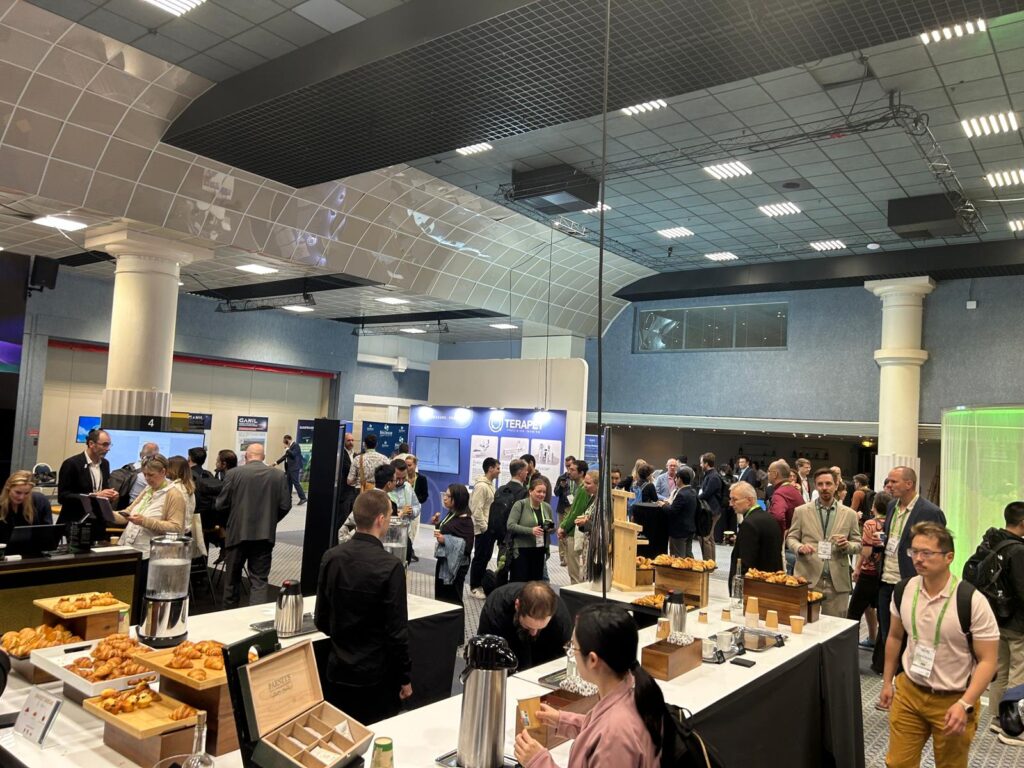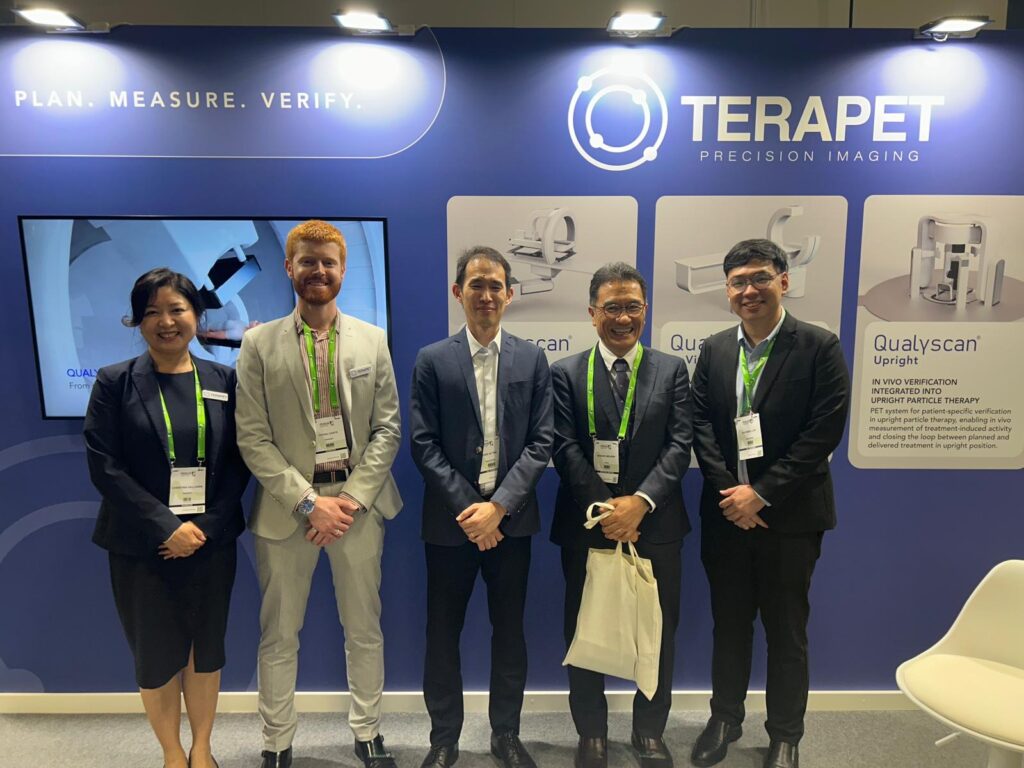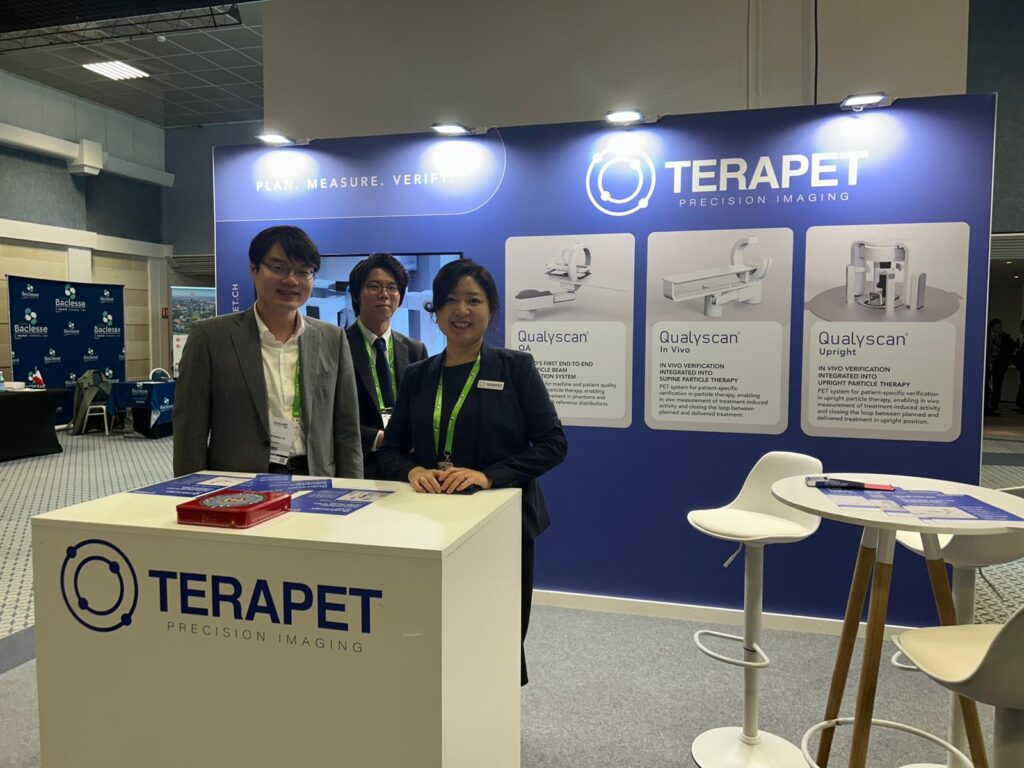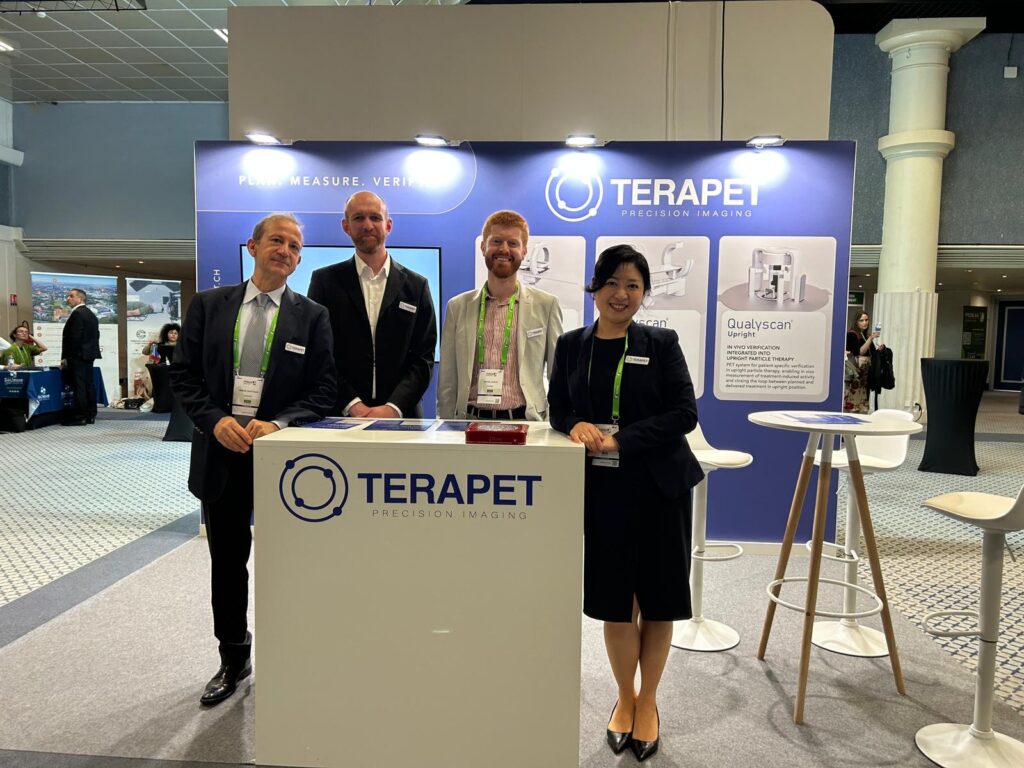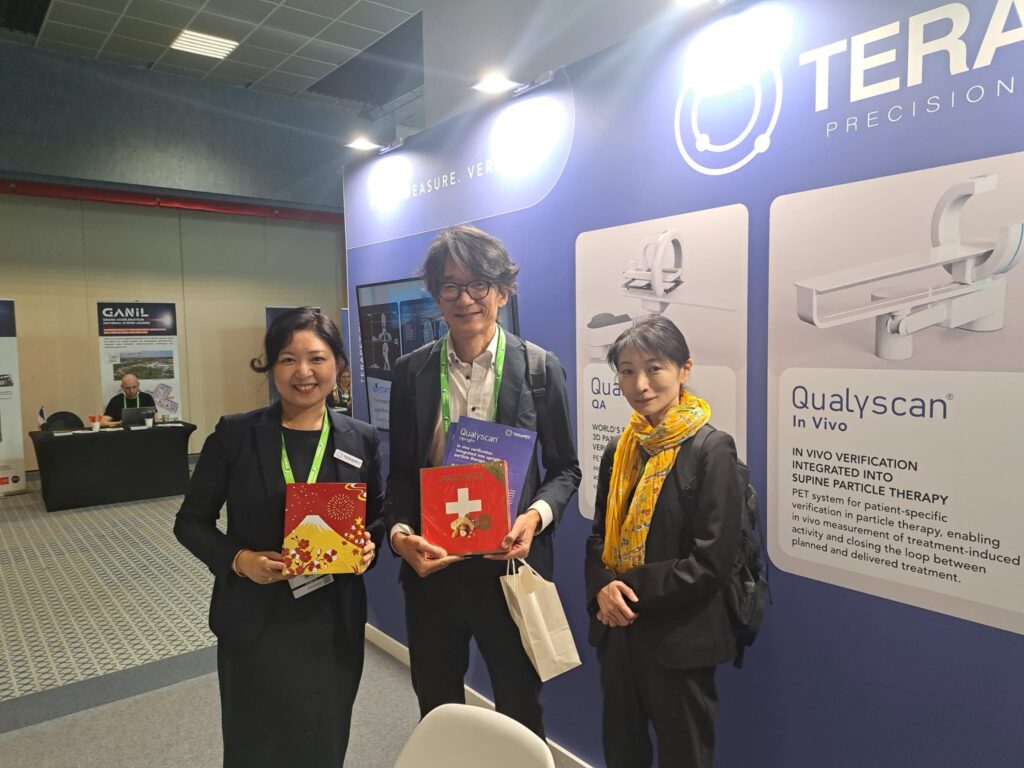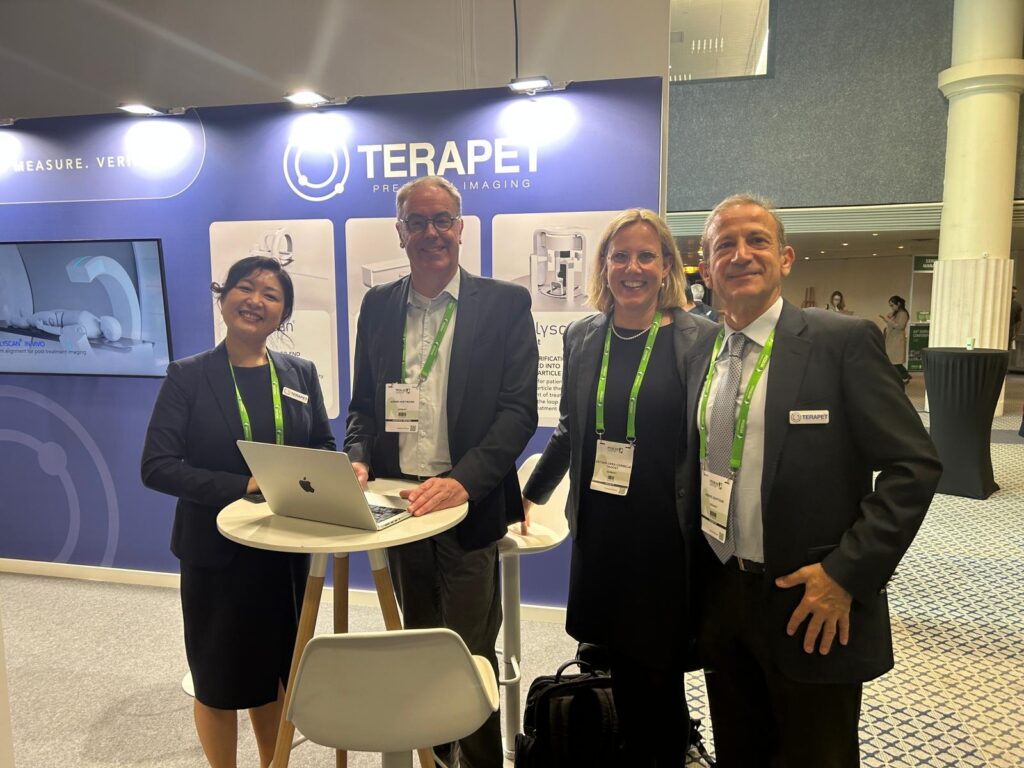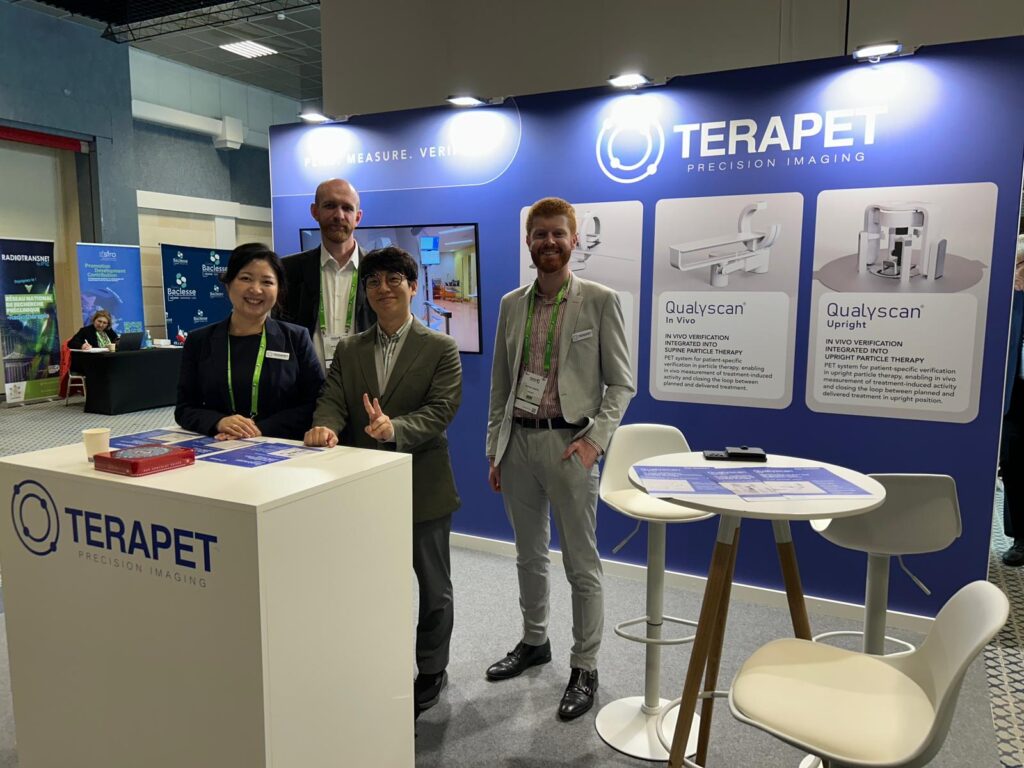

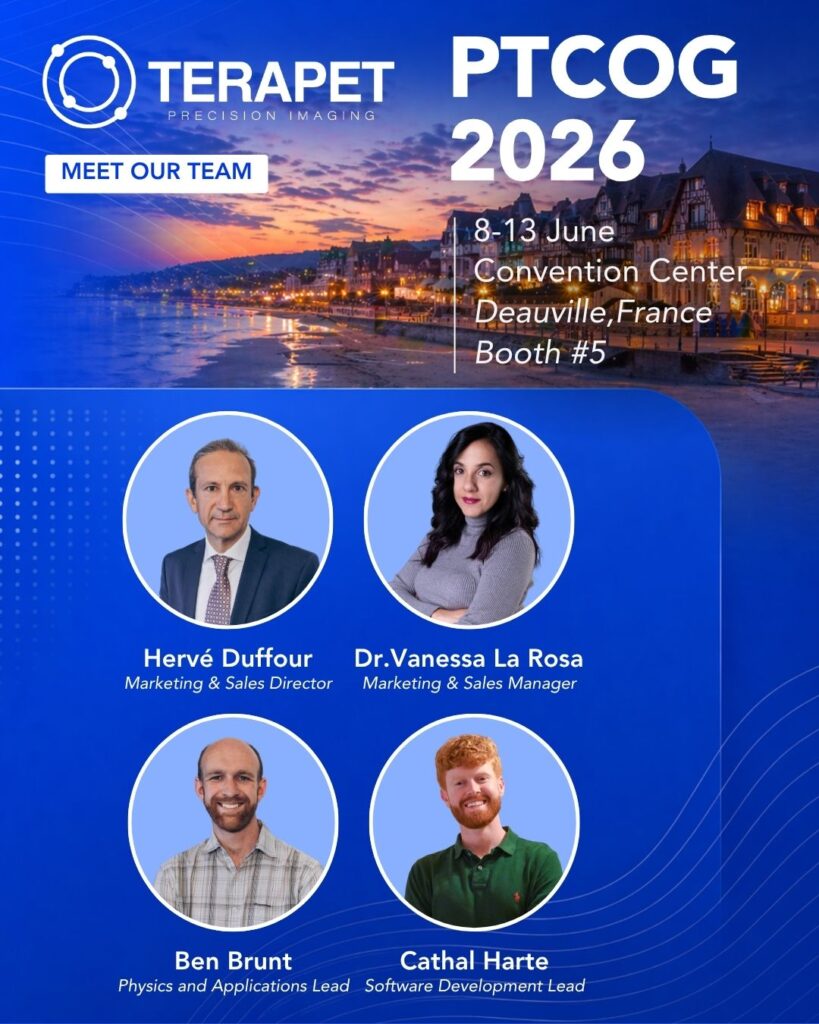
For TERAPET, PTCOG 64 in Deauville represented much more than a congress participation. It was an important opportunity to reconnect with the global particle therapy community, strengthen existing collaborations, and discuss how in-vivo PET verification can help close the loop between planned and delivered treatment.
Throughout the week, our team had the chance to meet clinicians, medical physicists, researchers, industry partners, and innovators from around the world, exchanging ideas around one common objective: bringing more reliable, adaptive, and data-driven verification workflows into particle therapy.
Advancing In-Vivo PET Verification in Particle Therapy
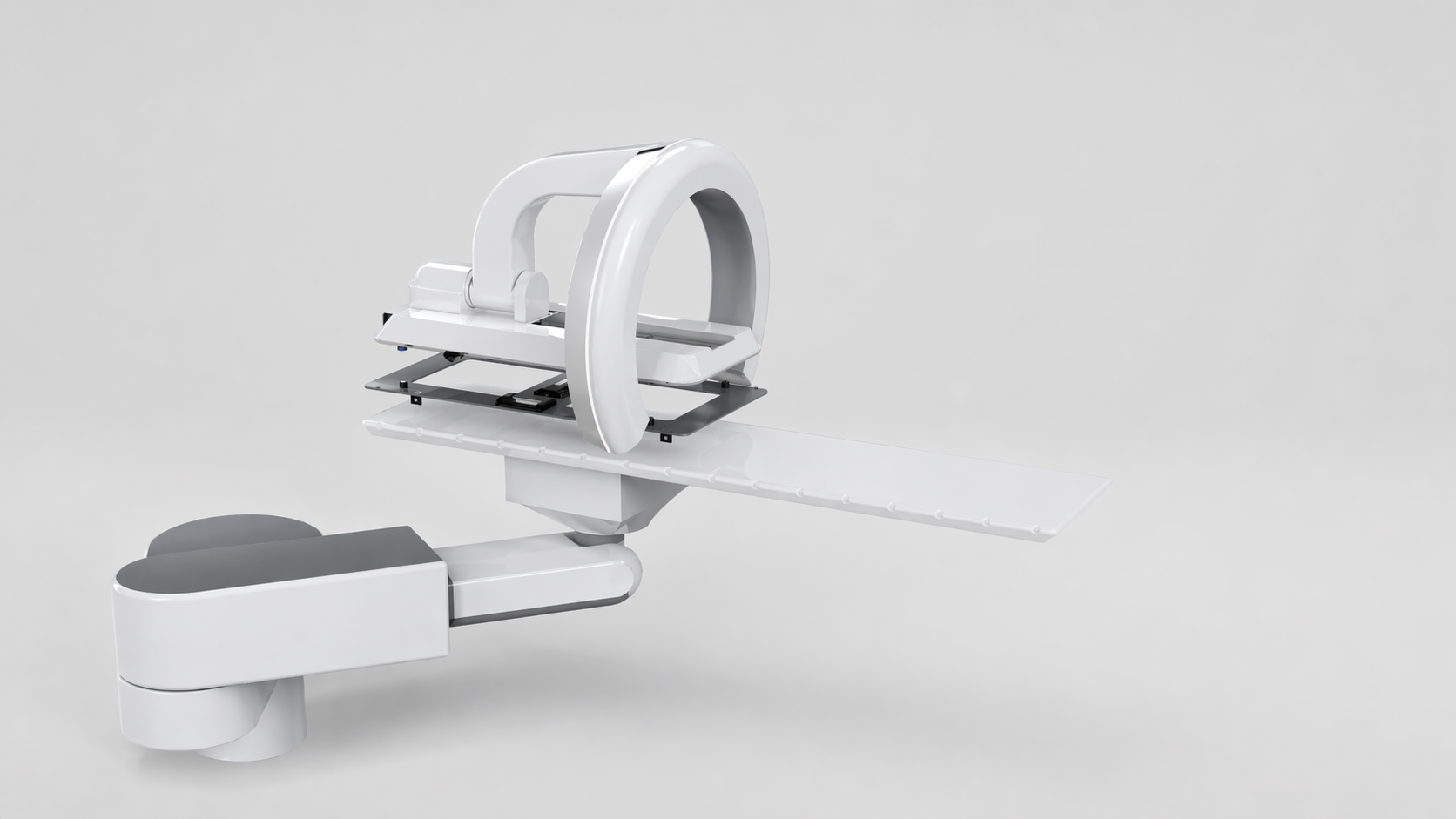
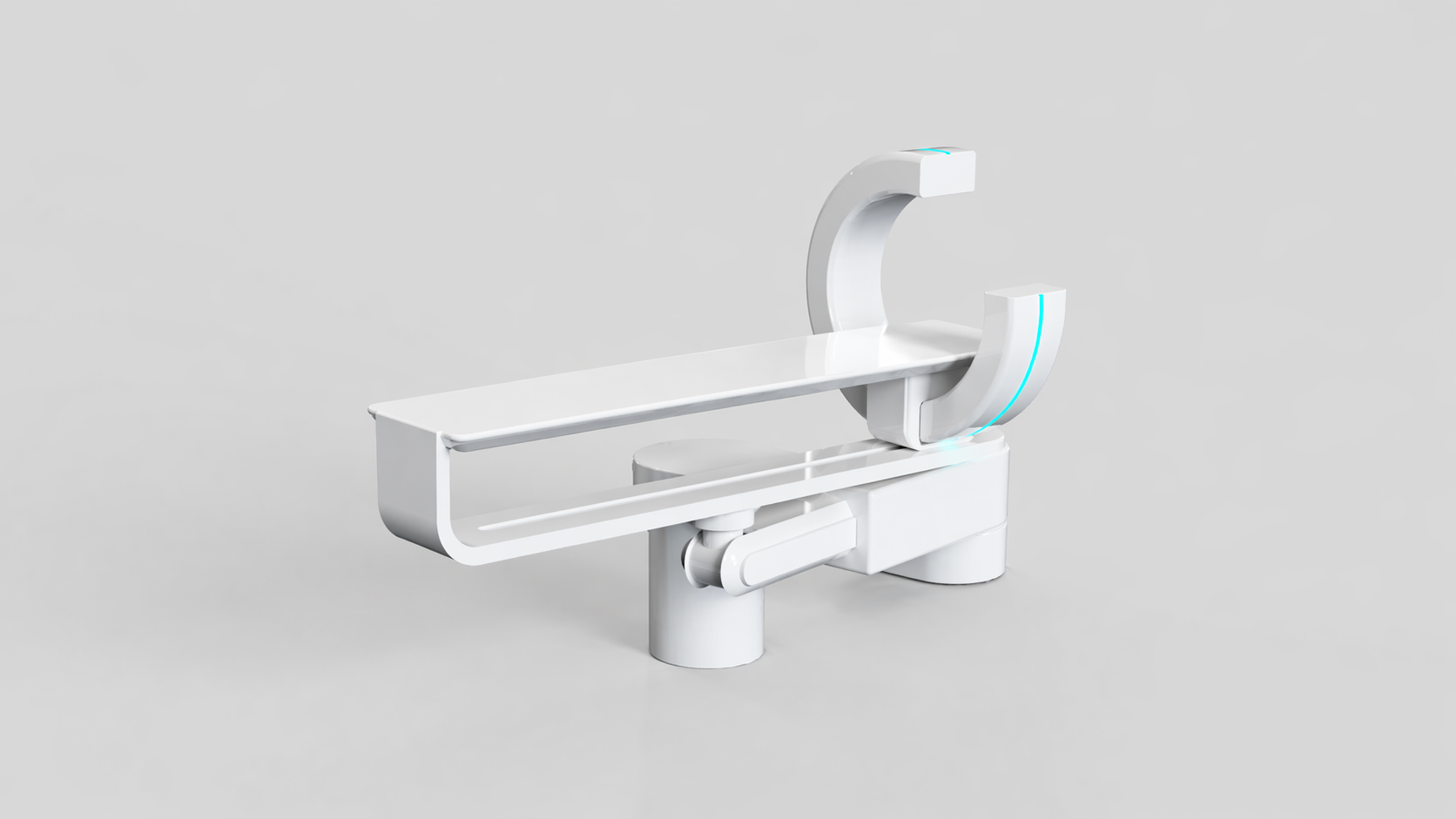
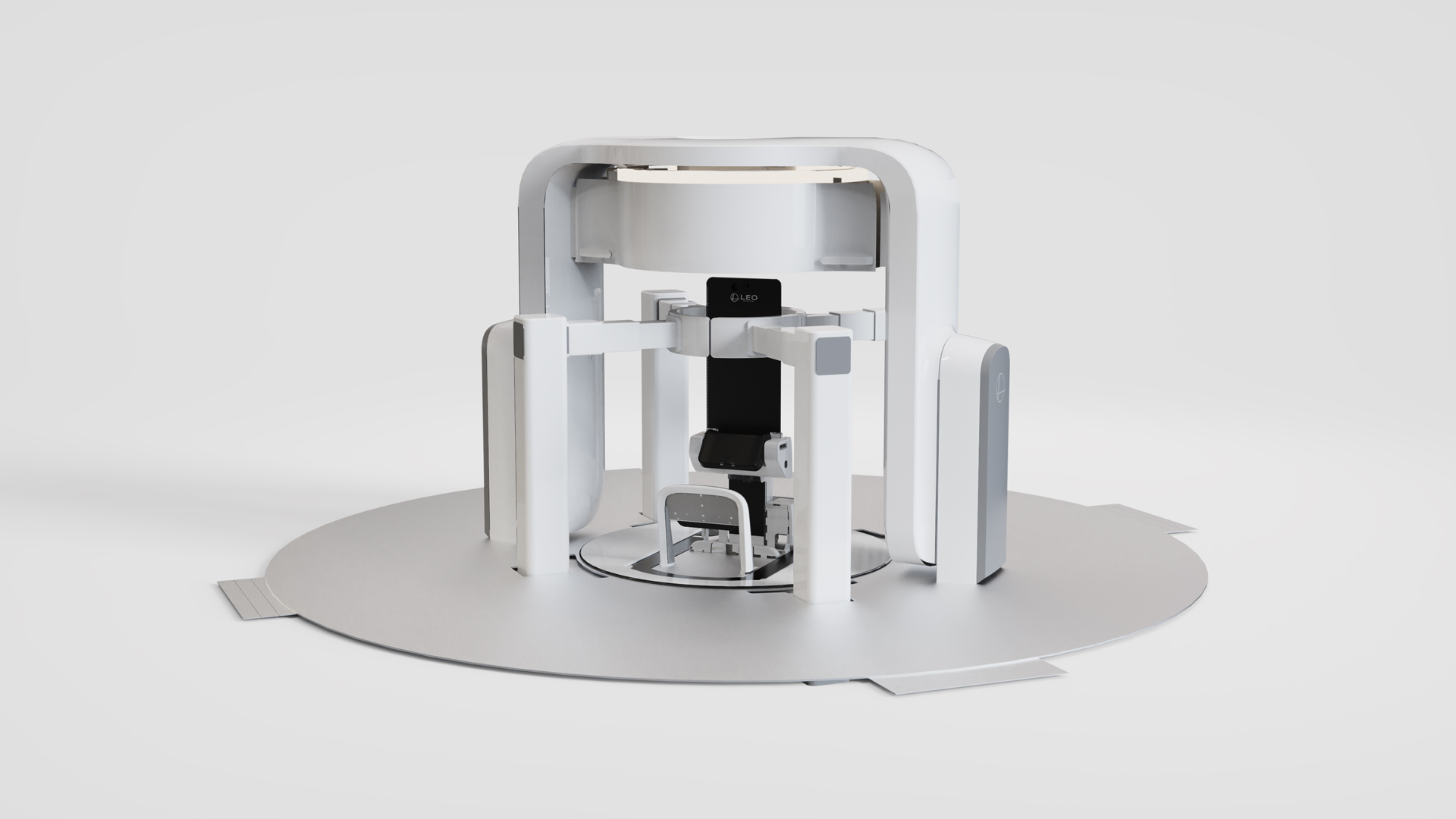
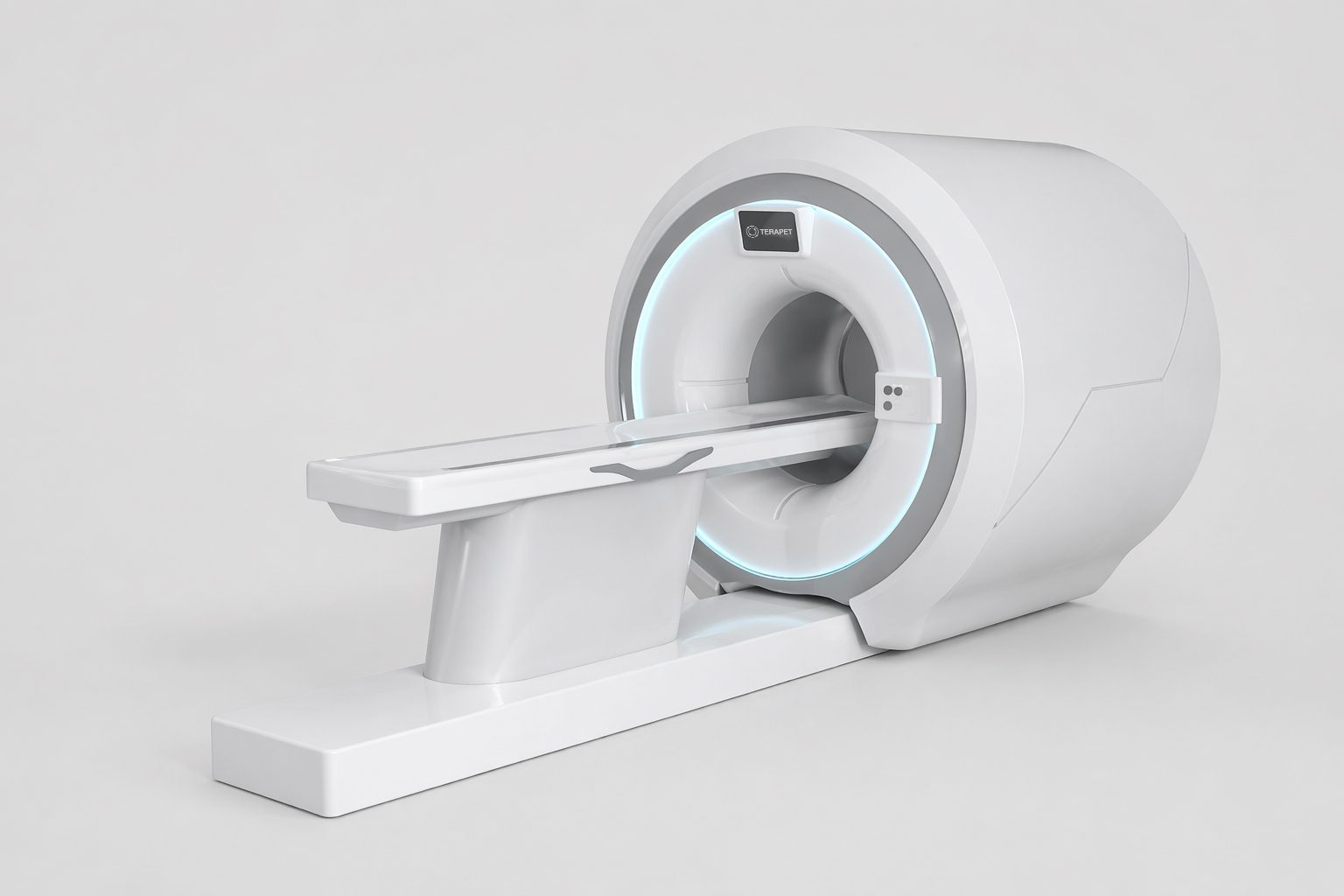
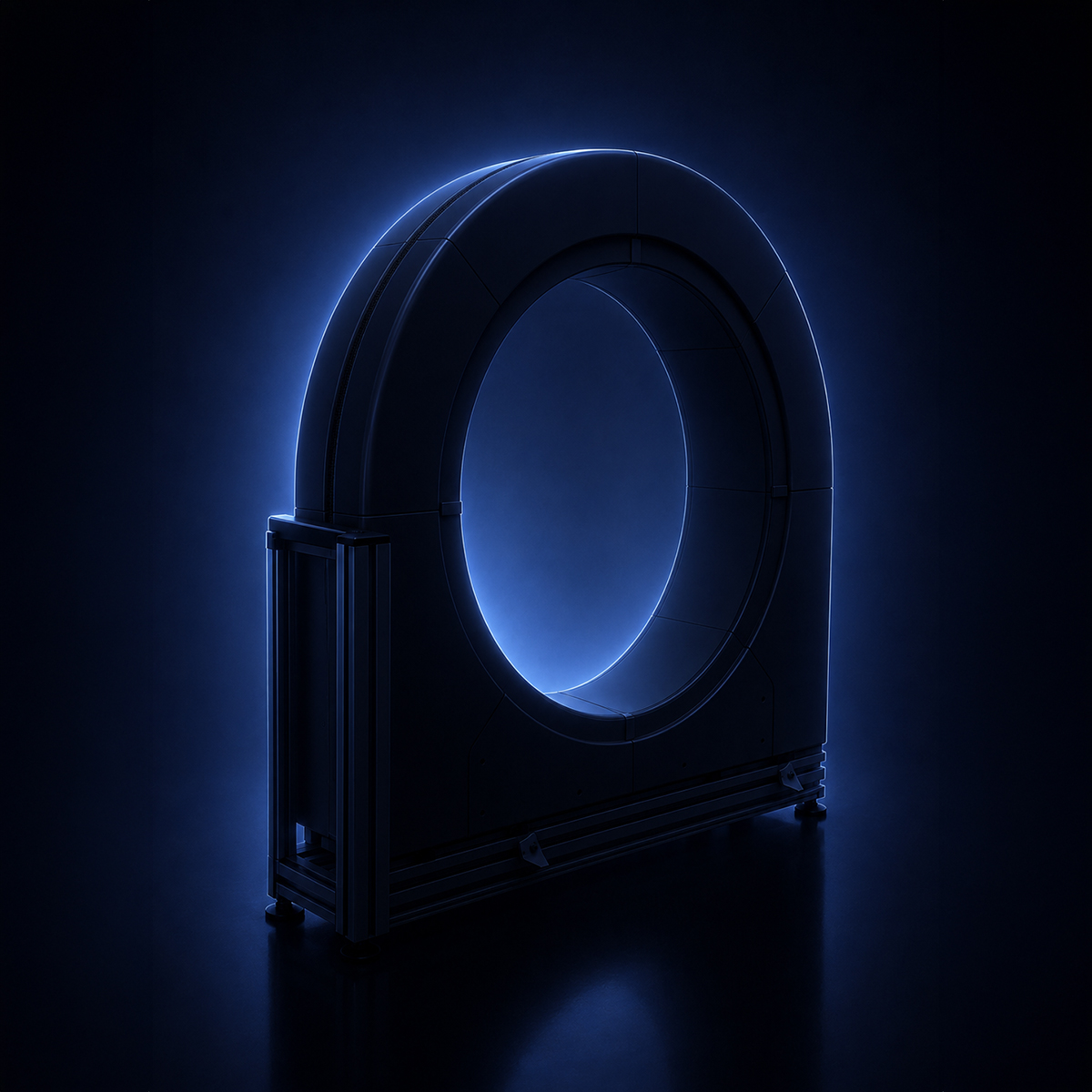
One of the main highlights of the congress was the strong interest surrounding Qualyscan® In Vivo and TERAPET’s vision for integrating PET-based treatment verification into routine clinical workflows.
Discussions with proton and carbon-ion therapy centers, as well as with industry leaders across the particle therapy ecosystem, confirmed the growing need for technologies capable of moving beyond treatment planning and pre-treatment quality assurance towards direct confirmation of what actually happened inside the patient.
As the only company at PTCOG 64 dedicated exclusively to PET-based in-vivo verification for particle therapy, TERAPET was proud to contribute to the ongoing discussions shaping the future of treatment verification.
Scientific Contributions Across Proton and Carbon-Ion Therapy
PTCOG 64 also represented an important milestone for TERAPET’s scientific collaborations.
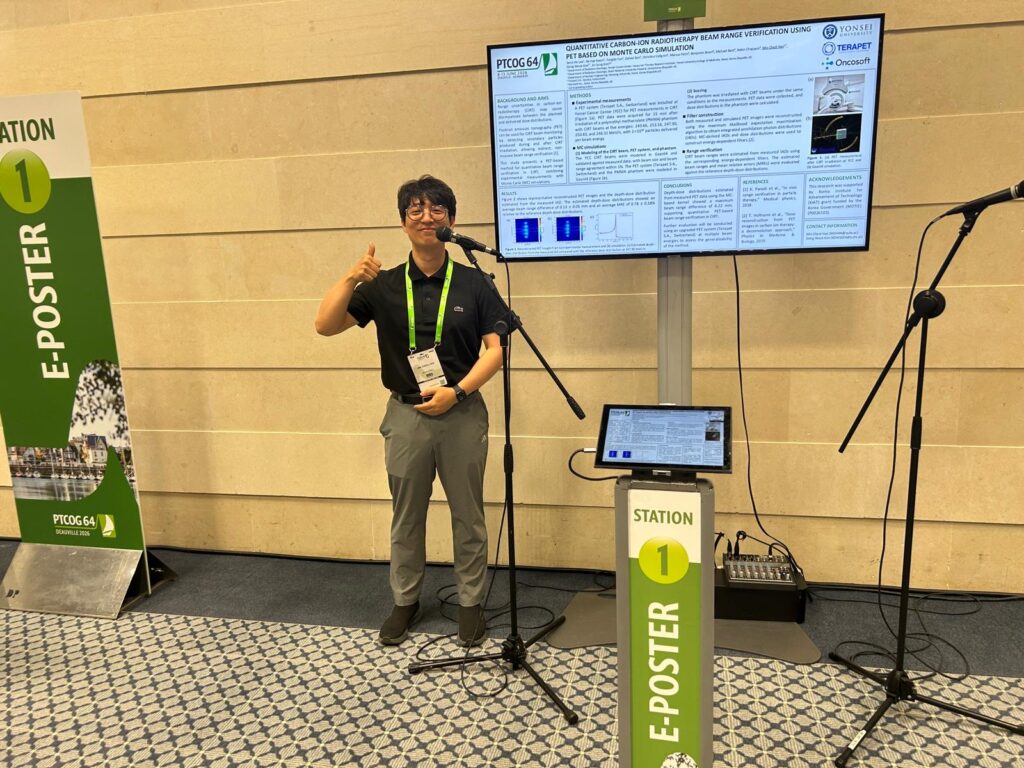
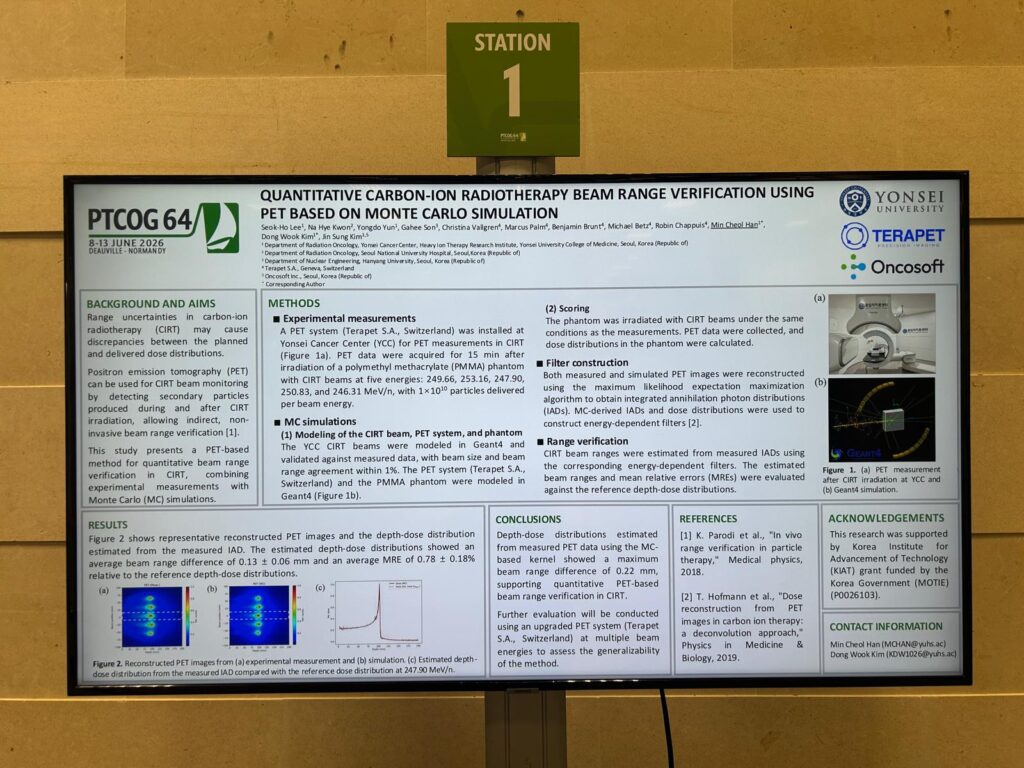
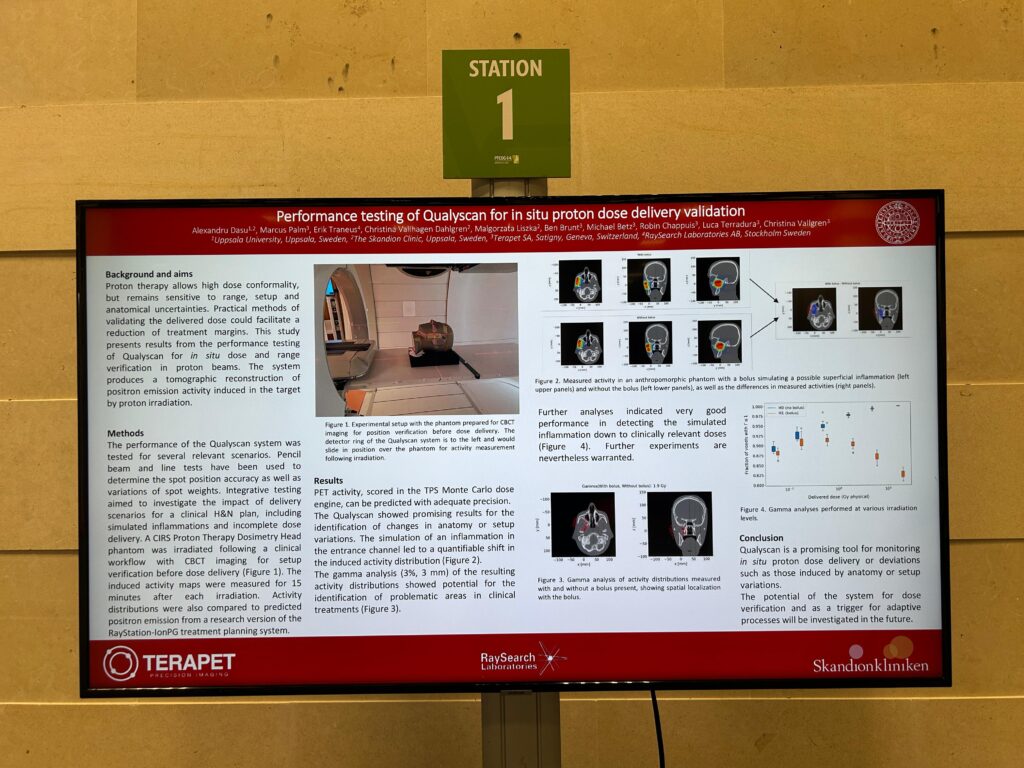
Two scientific ePosters featuring Qualyscan® QA were presented during the congress, highlighting the application of PET-based verification across different particle therapy modalities.
The first study, presented by Yonsei Cancer Center (South Korea), entitled “Quantitative Carbon-Ion Radiotherapy Beam Range Verification Using PET Based on Monte Carlo Simulation”, demonstrated promising results for quantitative beam range verification in carbon-ion therapy.
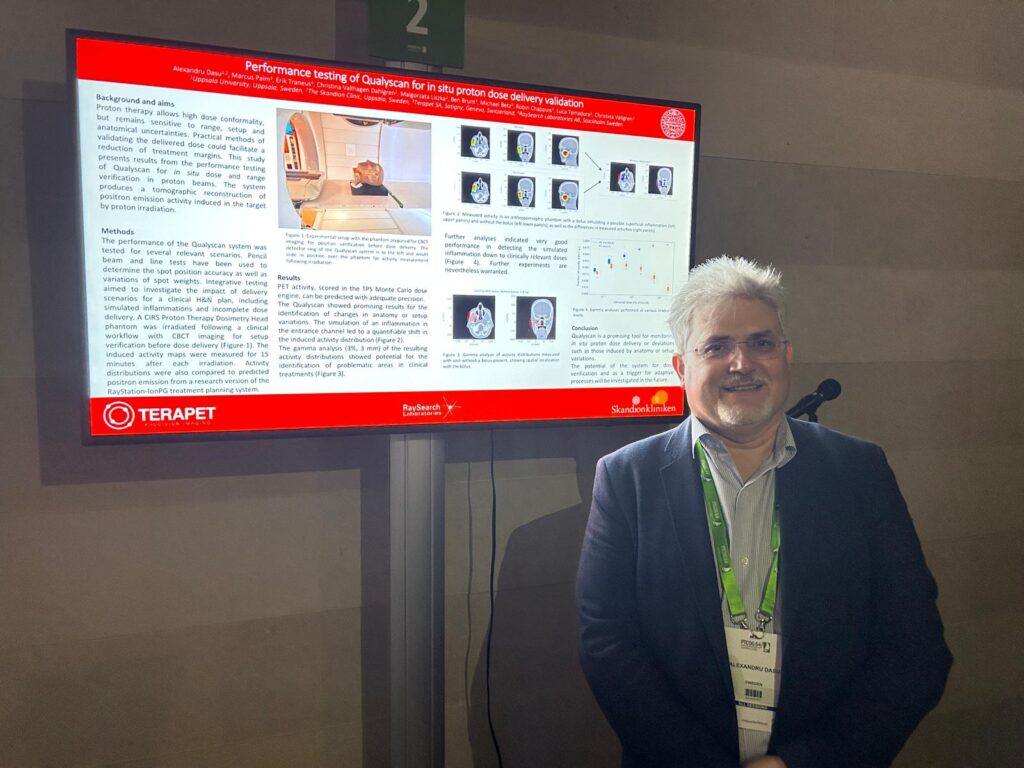
The second study, presented by Skandionkliniken – The Skandion Clinic (Sweden), entitled “Performance Testing of Qualyscan for In Situ Proton Dose Delivery Validation”, highlighted the potential of PET imaging for in-vivo proton therapy verification and future adaptive treatment workflows.
Together, these contributions underline the versatility of PET-based verification approaches across both proton and carbon-ion therapy and reinforce the growing interest in independent treatment verification solutions.
We would like to sincerely thank Prof. MinCheol Han and Prof. Dr. Alexandru Dasu for presenting these results, as well as all collaborators contributing to the advancement of PET-based verification in particle therapy.
Looking Ahead
Beyond the scientific sessions and technology discussions, PTCOG 64 reaffirmed the growing momentum around in-vivo verification and adaptive particle therapy.
We return to Geneva with new ideas, exciting opportunities, and many promising collaborations to follow up on.
TERAPET would like to thank everyone who visited us at Booth #5, our partners and collaborators for their continued support, and the entire PTCOG community for another inspiring edition.
We look forward to continuing these conversations in the months ahead and to meeting the community again at upcoming events, including the IV FLASH Workshop, JASTRO Particle Therapy, and ASTRO.
And, of course, we are already looking forward to reconnecting with the particle therapy community next year at PTCOG 65 in Bangkok.
See you there!